
The Future of Veterinary Care - A Case Study in Technological Transformation
In the modern veterinary landscape, the pressure to provide high-quality medical care while managing a high volume of patients often leads to significant operational strain. For one regional veterinary hospital, these pressures had begun to affect the consistency of care and the well-being of the staff.
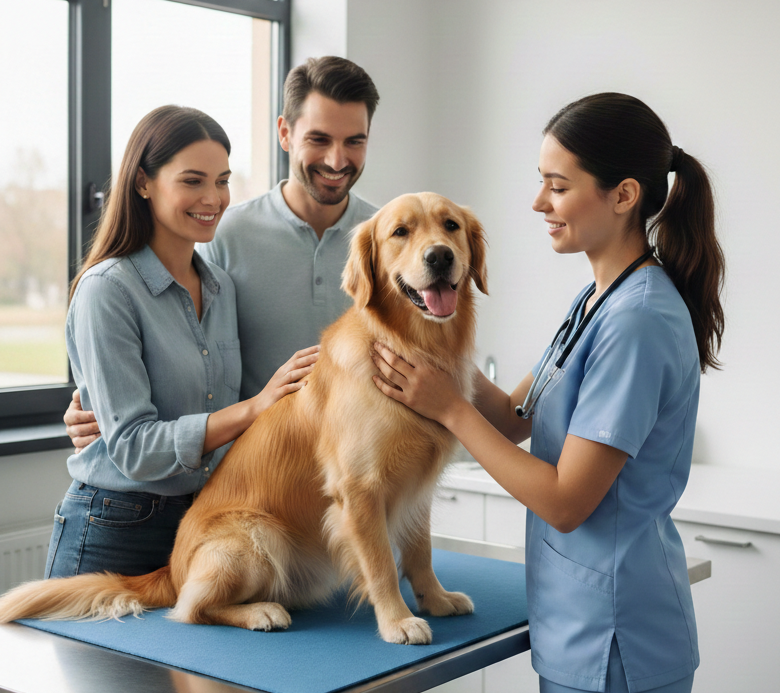 In the modern veterinary landscape, the pressure to provide high-quality medical care while managing a high volume of patients often leads to significant operational strain. For one regional veterinary hospital, these pressures had begun to affect the consistency of care and the well-being of the staff. The hospital faced a series of systemic challenges: an absence of clearly defined clinical processes, inconsistent documentation, and a lack of data-driven insights to guide complex medical decisions. To address these issues, the hospital partnered with Maven Technologies to implement a sophisticated, AI-driven ecosystem designed to harmonize clinical expertise with digital intelligence.
The Challenge: Overcoming Clinical Inconsistency
The hospital’s primary struggle was the lack of a unified approach to veterinary consultations. Without standardized treatment plans, the quality of care often varied between practitioners. This “treatment drift” was particularly difficult for junior veterinarians, who frequently felt unsupported when navigating complex diagnoses. Furthermore, the administrative burden of manual documentation meant that medical records were often incomplete, leading to gaps in communication during patient handovers or follow-up visits. Finally, the hospital relied heavily on individual intuition rather than the latest veterinary research, leaving a wealth of clinical data untapped.
The Solution: An Integrated Intelligence Framework
Maven Technologies introduced a three-tiered solution centered around a comprehensive veterinary knowledge graph and an integrated AI Agent. The knowledge graph serves as a centralized “intelligence hub,” mapping the complex relationships between symptoms, diseases, and the most current peer-reviewed research.
During consultations, the AI Agent transcribes the interaction in real time. By analyzing the conversation, the agent provides immediate diagnostic and treatment recommendations based on the specific details of the case and the latest medical standards. Once the visit concludes, the agent automatically generates a post-consultation summary and follow-up plan. This significantly reduces the manual workload for the veterinary team and ensures that every detail is captured in the patient’s permanent record.
To complement this digital support, Maven Technologies also implemented a live video monitoring system for the hospital’s kennel. This system allows veterinarians to monitor recovering patients remotely, providing real-time insights into their condition. By using behavior analysis, the system can alert staff to subtle changes in a patient’s status, enabling faster medical intervention when every second counts.
The Approach: Collaboration and Customization
The success of the project relied on a deeply collaborative approach. Maven Technologies did not simply install software; they worked alongside the hospital’s staff to ensure the tools were tailored to existing workflows. By understanding the unique pace of a veterinary environment, the team was able to integrate the AI Agent and the monitoring system in a way that felt like a natural extension of the medical team rather than an intrusive technical layer.
The Results: Measurable Outcomes in Care and Efficiency
The implementation led to transformative results across the practice’s clinical and operational metrics. One of the most significant outcomes was a 44% improvement in the confidence of less experienced veterinarians. With the AI Agent acting as a reliable “co-pilot,” junior staff felt empowered to make more accurate diagnostic and treatment decisions.
Efficiency also saw a dramatic rise. The hospital recorded a 37% improvement in the completion of required documentation, ensuring a higher standard of medical record-keeping. Because the AI handled the bulk of the administrative tasks, the time taken to complete consultations was reduced by 29%. This efficiency allowed the staff to focus more on the patients and less on the keyboard.
Most importantly, these improvements translated directly to the animals. The hospital saw a 20% improvement in patient outcomes, as measured by successful follow-up visits and a marked increase in client satisfaction. The combination of faster interventions through kennel monitoring and more accurate treatment plans through the knowledge graph created a safer, more effective environment for pet health.
Conclusion
The partnership between the veterinary hospital and Maven Technologies demonstrates the profound impact that tailored AI solutions can have on the healthcare industry. By addressing the root causes of process inconsistency and administrative fatigue, the project didn’t just improve numbers—it improved the quality of life for the veterinarians and the standard of care for their patients. This case study serves as a blueprint for how modern technology can support medical professionals, allowing them to return their focus to the heart of their practice: the well-being of the animals in their care.
Frequently Asked Questions
AI acts as a digital co-pilot by cross-referencing live consultation data with a massive knowledge graph of the latest veterinary research. This ensures that every diagnosis and treatment plan is backed by current medical standards, reducing human error and helping less experienced staff provide the same high level of care as senior veterinarians.
Yes, the implementation of an AI Agent can reduce consultation time by nearly 30% by handling the documentation process automatically. The system transcribes the visit in real time and generates a professional post-consultation summary, allowing veterinarians to focus entirely on the patient rather than spending hours typing up medical records after their shift.
The AI Agent actually improves the client experience by removing the laptop as a barrier between the vet and the pet owner. Since the software handles the note-taking in the background, the veterinarian can maintain eye contact and engage more deeply with the client, which leads to higher satisfaction and trust in the practice.
Remote monitoring systems provide a continuous safety net for hospitalized pets without requiring a staff member to be physically present in the kennel at all times. The system uses behavior analysis to detect signs of distress or changes in a patient's condition, sending immediate alerts to the medical team so they can intervene the moment a pet needs help.
The technology is designed to be a supportive tool rather than a complex hurdle, and it has been shown to increase the confidence of junior vets by over 40%. It provides them with immediate access to proven treatment protocols and diagnostic suggestions, which helps them feel more secure in their decision-making during the early years of their career.
The return on investment is found in increased efficiency and improved medical accuracy. By reducing the time taken for each consultation and eliminating manual paperwork, a clinic can see more patients per day while maintaining a higher standard of care, which ultimately leads to better patient recovery rates and increased client loyalty.